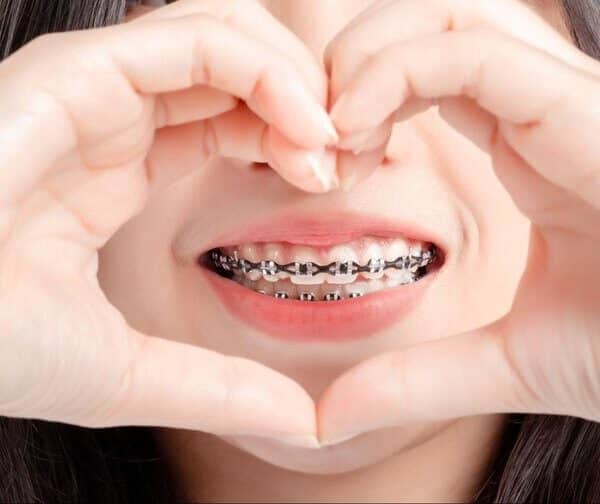
Wearing braces is a major step toward a healthier, straighter smile, but small hardware hiccups are a normal part of the process. Two of the most common issues patients face are a loose bracket or a sharp wire poking into the cheek or gums. While these situations can cause discomfort, they are rarely true medical emergencies and can usually be managed safely at home until you can visit your orthodontist.
1. What to Do If a Bracket Comes Loose
Brackets are the small metal or ceramic squares bonded to the surface of each tooth. Eating crunchy foods, chewing on hard objects, or experiencing a minor knock to the mouth can cause the adhesive to release.
- Check the position: If the bracket is still attached to the main wire but sliding around, use a clean cotton swab or your clean fingertips to slide it gently into the center of the tooth.
- Apply orthodontic wax: Dry the loose bracket with a clean tissue, roll a small pea-sized ball of orthodontic wax between your fingers to warm it up, and press it firmly over the bracket to stop it from rubbing against the inside of your lips or cheeks.
- If the bracket falls off completely: Carefully remove it from your mouth, wrap it in a clean piece of tissue or store it in a small container, and bring it to your next appointment.
- Never use glue: Under no circumstances should you attempt to reattach a bracket using superglue or any household adhesive, as these products are toxic and can cause permanent damage to your tooth enamel.
2. How to Deal with a Poking Archwire
As your teeth shift into alignment, the archwire can sometimes slide to one side or extend past the back bracket, poking sharp edges into soft oral tissues.
- Push the wire back gently: Use the clean eraser end of a pencil or a cotton swab to gently nudge the sharp end of the wire flat against your tooth or tuck it behind the archwire.
- Use relief wax: If the wire cannot be repositioned comfortably, dry the area and cover the poking tip completely with a generous piece of orthodontic wax.
- Soothe mouth sores: Rinse your mouth with warm salt water (half a teaspoon of salt in one cup of warm water) 2 to 3 times a day to reduce inflammation and speed up healing of irritated gums and cheeks.
- Trimming the wire (Last Resort): If you cannot reach your orthodontist and the pain is intolerable, an adult can carefully clip the excess wire using sterilized nail clippers or small wire cutters. Place a tissue or gauze pad around the area to catch the clipped piece so it is not accidentally swallowed.
3. General Guidelines for Orthodontic Discomfort
- Stick to soft foods: Switch to foods like yogurt, mashed potatoes, soups, and smoothies until the issue is fixed to avoid putting additional stress on your appliances.
- Use over-the-counter pain relief: Mild pain relievers such as acetaminophen or ibuprofen can help manage general soreness, provided you follow the dosage instructions on the packaging.
- Avoid hard and sticky foods: Stay away from ice, hard candies, nuts, gum, and popcorn, which are the leading causes of broken orthodontic appliances.
When to Call Your Orthodontist
While temporary fixes will keep you comfortable, you should always contact your orthodontic clinic to report what happened. They will decide whether you need an immediate repair visit or if the fix can wait until your next scheduled adjustment. If you experience severe bleeding, intense unmanageable pain, or traumatic injury to the mouth, seek professional dental or emergency medical care right away.